
Is it worth digging out a basement?
Digging out a basement is often worth it when the extra height creates usable, legal living space, such as a bedroom, a rental unit or a family room. It is less compelling if the ceiling is already workable. Judge it by what the space will be used for, not the cost alone.
All of our trades are licensed and insured
Mon to Fri: 8:00am to 6:00pm · Sat and Sun: Closed
What you gain
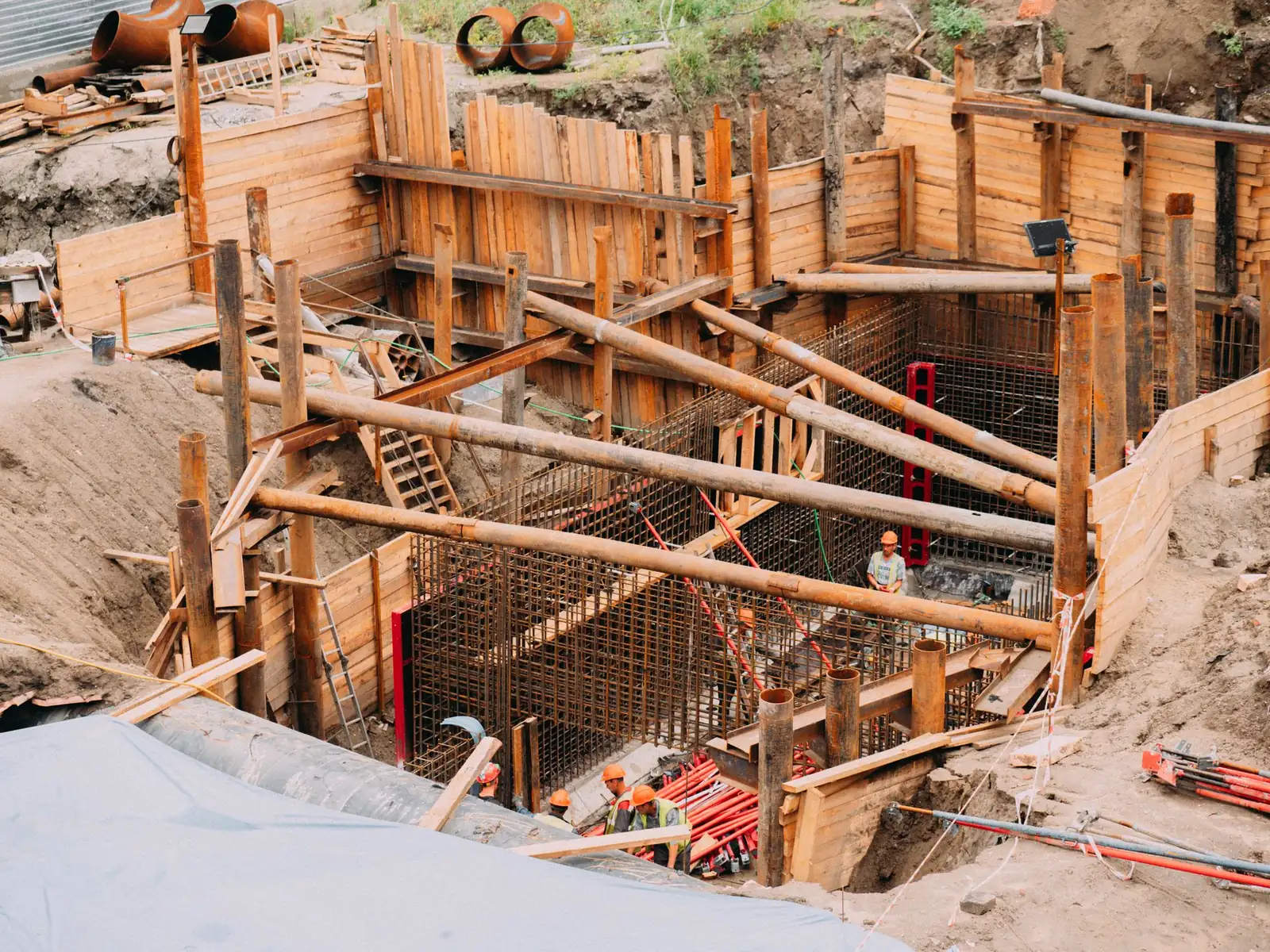
A basement with a low ceiling is hard to use as more than storage. Lowering the floor adds headroom, which opens up possibilities: a legal basement apartment, a bedroom with proper ceiling height, a home office or a family room that feels like part of the house. It can also let you replace old, failing floors and drains and add proper waterproofing while the structure is open.
Because the work is permanent and structural, it is a decision for the long term. Owners who plan to stay for years often value the space more than those looking at a quick sale.
Signs it may be worth it
None of these decides it alone, but together they usually point one way.
- Ceiling height is too low for a legal unit or bedroom
- You plan to rent the space or house family members
- The floor and drainage need replacement anyway
- You want to keep the house instead of moving
- The foundation and soil allow it, as confirmed by an engineer
Signs to think twice
If the basement is already dry and tall enough, the benefit shrinks. If the soil, water table or neighbouring structures make the work risky, the engineer may advise against it. If your timeline is short and you plan to sell soon, the return depends on your local market, so talk to a realtor you trust.
Also remember the disruption. The work involves excavation, concrete, and weeks of construction. Our basement underpinning page explains the process and what to expect while you live in the house.
How to decide with facts
- Free assessmentWe look at the house, the existing height and the condition of the foundation.
- Engineer reviewAn engineer tells you whether lowering is practical and how it would be done.
- Written scope and priceYou see the full scope, including waterproofing, drains and permits.
- Compare with the alternativeWeigh the project against moving or building an addition.
- Plan the useA legal basement apartment has extra requirements that should be planned from the start.
Doing it right
The value of a dug-out basement depends on the quality of what is done: sound structure, proper waterproofing, drainage and finishing. All of our trades are licensed and insured, and we handle design, structure, waterproofing and finishing as one project so nothing is left between contractors.
Related questions
How long does digging out a basement take?
It depends on the size of the house and the engineering. We set a schedule with the written scope.
Can we stay in the house?
Often, with planning for noise, dust and water shutoffs. We discuss it before work starts.
Do I need an engineer?
Yes. Structural lowering requires engineered drawings.
Request a quote
Tell us what you need and we will get back to you. In a hurry? Calling is fastest.
Thinking about your basement?
Call us for a free assessment, then a written scope and price. All of our trades are licensed and insured.
Call now (416) 398-8017