
Is it better to waterproof a basement from the inside or outside?
Exterior waterproofing stops water before it reaches the foundation wall, while interior waterproofing collects and drains water that gets in. Neither is always better. Exterior suits houses with accessible walls and serious leaks; interior suits tight lots and finished basements. Often the best result combines both.
All of our trades are licensed and insured
Mon to Fri: 8:00am to 6:00pm · Sat and Sun: Closed
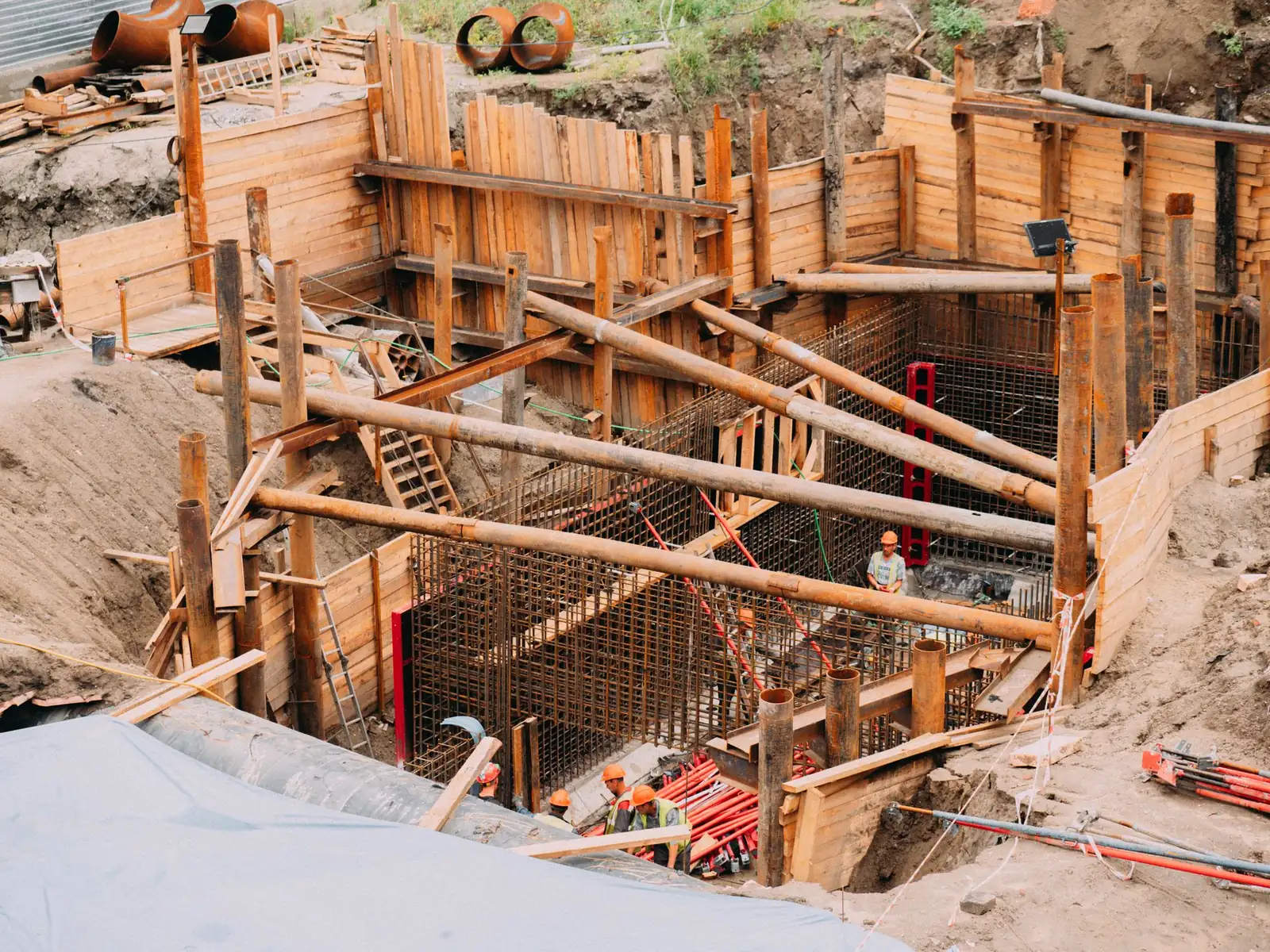
How exterior waterproofing works
Exterior work means excavating around the foundation, cleaning and repairing the wall, applying a membrane, adding drainage and a protective board, and backfilling. It deals with water where it first meets the house. It is the more thorough approach, but it is also more disruptive because it involves digging, and it can be difficult where lots are narrow, there are decks or garages, or neighbours are close.
How interior waterproofing works
Interior systems collect water at the footing level, channel it to a sump pit and pump it out. They do not stop water from reaching the outside of the wall, but they keep it from reaching the living space. They are less disruptive outside, work in tight lots and can be installed in homes where digging is hard. They do involve cutting the floor along the perimeter.
Which suits which situation
A site visit is the only way to know. Photographs and a free assessment let us see which applies.
- Accessible foundation walls and serious seepage: exterior is worth considering
- Narrow side yards, shared walls or hardscaping: interior is often more practical
- Cracked or failing wall membrane: exterior addresses the cause
- Rising groundwater or a high water table: interior drainage and a sump pump are usually part of the answer
- Planning a renovation or underpinning: interior drainage can be installed while the floor is open
Why the cause matters
Water gets in for different reasons: poor grading, failed downspouts, cracks in the wall, groundwater pressure under the slab. A solution that does not address the cause will not last. Sometimes the first fix is outside the house, such as grading and eavestroughs, before any waterproofing is done. We look at the whole picture before recommending a system.
See our basement waterproofing page for the full range of options and how we combine them.
Combining with other work
If you are lowering the floor, the basement underpinning process is the ideal moment to install interior drainage. If you are planning to finish the space, solve moisture first, then use the basement renovations page to see what comes next. All of our trades are licensed and insured, and we give a free assessment and a written scope and price.
Related questions
Can I just waterproof from the inside and forget about it?
Interior systems work well when designed correctly and maintained, especially the sump pump. We explain what to maintain.
Does waterproofing need a permit?
It depends on the scope and the municipality. We tell you what applies to your project.
Will exterior waterproofing damage my landscaping?
Excavation disturbs the area beside the house. We plan for protection and restoration of what is disturbed.
Request a quote
Tell us what you need and we will get back to you. In a hurry? Calling is fastest.
Thinking about your basement?
Call us for a free assessment, then a written scope and price. All of our trades are licensed and insured.
Call now (416) 398-8017